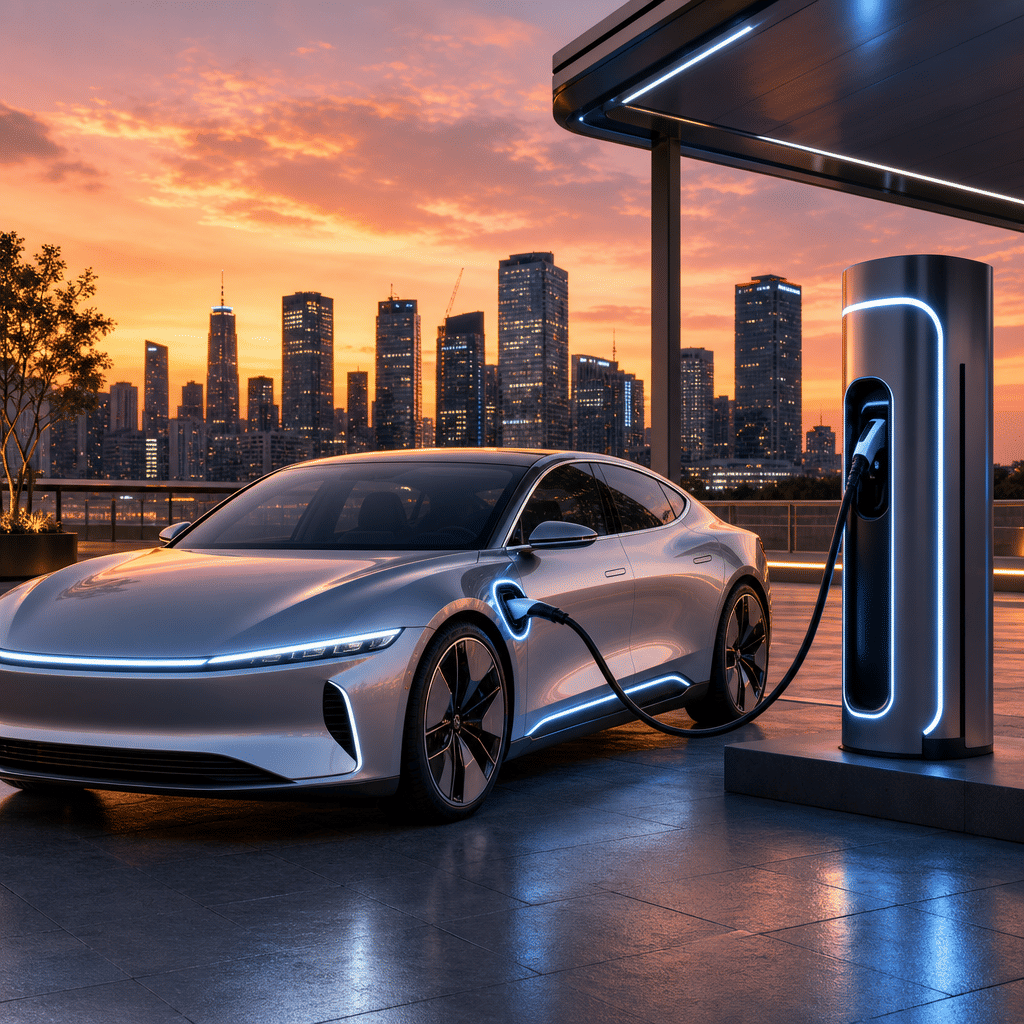
As the world increasingly focuses on sustainability, the automotive industry finds itself at a pivotal moment in history. The electric vehicle (EV) revolution is no longer just a promising future but an ever-present reality reshaping how we think about transportation. This transformation is not just about cars and technology; it reflects broader societal shifts towards eco-friendly lifestyles and responsible energy consumption.
At the heart of this shift is the promise of reducing carbon emissions. Traditional combustion engines have been significant contributors to air pollution and climate change. In contrast, electric cars offer a cleaner alternative by using electricity as their fuel source, significantly reducing the greenhouse gases emitted per mile driven. This reduction in emissions is further enhanced when the electricity powering these cars comes from renewable sources such as wind, solar, or hydroelectric power.
Innovation is the cornerstone of the electric vehicle industry. Advances in battery technology have been a game-changer, with lithium-ion batteries leading the way. These batteries have become more energy-dense, affordable, and faster to charge, addressing one of the primary concerns consumers have had: range anxiety. The development of robust charging infrastructure, with rapid charging stations proliferating across cities and motorways, further alleviates these concerns, making long journeys in electric cars more feasible than ever.
The design of electric vehicles is another area of significant innovation. Without the need for a bulky engine or transmission, car manufacturers have more freedom to create spacious, aerodynamically efficient, and aesthetically pleasing designs. This has led to a wave of new models that not only perform well but also look futuristic and elegant.
Moreover, the integration of advanced technology in electric vehicles is unprecedented. Many EVs come equipped with sophisticated software systems that offer real-time updates, autonomous driving capabilities, and seamless connectivity with smartphones, creating a more intuitive and personalized driving experience.
Government incentives and regulations have also played a crucial role in fostering the electric revolution. Numerous countries offer tax benefits, rebates, and exemptions to encourage the adoption of electric vehicles. Some have set ambitious targets for phasing out traditional petrol and diesel vehicles, further cementing the transition towards electrification.
The electric revolution extends beyond just cars. It influences manufacturing processes, supply chains, and even energy policies. Manufacturers are working to ensure that the entire lifecycle of electric vehicles, from production to disposal, is as environmentally friendly as possible. This involves sourcing sustainable materials, reducing waste, and developing recyclable components.
The impact of electric vehicles goes beyond environmental benefits. They promise a quieter, more comfortable driving experience, with fewer vibrations and reduced cabin noise. Additionally, operating costs are generally lower, as electricity tends to be cheaper compared to fossil fuels, and electric motors have fewer moving parts, leading to lower maintenance costs.
In conclusion, the world of electric cars represents a confluence of technological innovation, environmental consciousness, and societal change. As infrastructure improves and battery technology advances, electric vehicles are poised to become the norm rather than the exception. This electric revolution is a testament to human ingenuity and our ability to adapt to new challenges with sustainable solutions. As we drive into the future, electric cars are not just about getting from point A to point B; they are about making a significant impact on our planet's health and our quality of life.