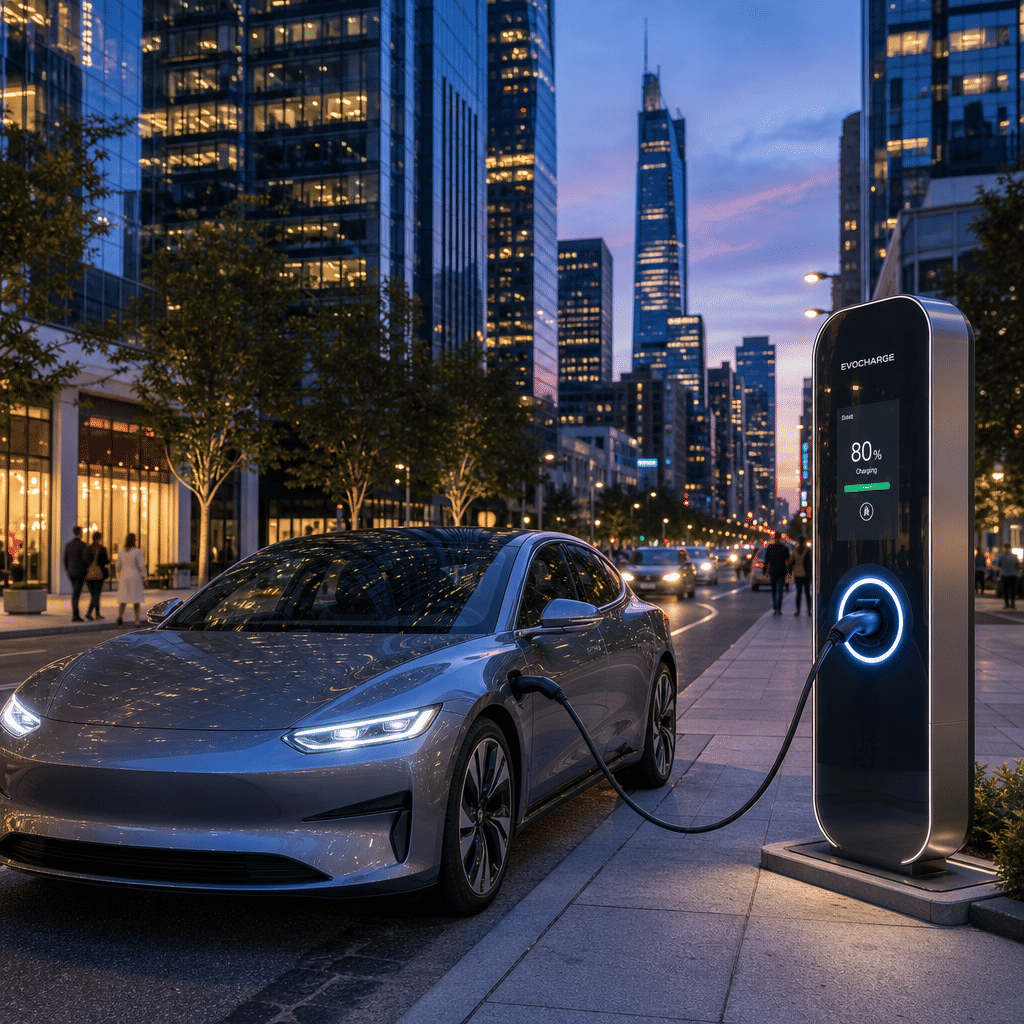
In recent years, the automotive industry has experienced a transformative shift, driven by the imperative to develop sustainable modes of transportation. At the forefront of this revolution in electric vehicles (EVs) is the remarkable advance in technology that addresses some of the traditional limitations associated with EVs: range anxiety and charging time. As we embrace a future where EVs become the norm, Optimum Drive emerges as a pioneering force, propelling us towards cleaner and more efficient mobility solutions.
One of the most significant challenges historically faced by electric vehicles has been their limited range, often leading to apprehension among potential users who fear running out of power far from a charging station. However, recent innovations in battery technology have begun to dissolve these concerns. The development of high-energy-density batteries, employing new materials and sophisticated chemistry, has drastically increased the driving range of electric vehicles.
Lithium-ion batteries, which have long been the standard for EVs, are continually being optimized for higher storage capacity. Meanwhile, solid-state batteries, heralded as the next breakthrough, promise to deliver even greater range with shorter charging times, enhanced safety, and longer lifespan. By replacing the liquid electrolyte in traditional batteries with a solid electrolyte, these cutting-edge batteries significantly reduce the risk of fire and allow for more compact designs, thereby increasing the energy density.
Faster charging solutions represent another critical area of advancement. The introduction of ultra-fast chargers now enables a significant reduction in charging time, making EVs more convenient and comparable to traditional fuel-refilling processes. With charging stations offering power outputs beyond 150 kW, it is becoming increasingly feasible to replenish an EV's battery to 80% in as little as 20-30 minutes. This progress not only mitigates the inconvenience of long waits but also facilitates long-distance travel, making electric vehicles a practical option for a broader consumer base.
Furthermore, the integration of smart technology into charging infrastructure has revolutionized how we view the EV charging experience. With intelligent network solutions, charging stations can efficiently manage power distribution, ensure optimal utilization, and integrate renewable energy sources. This not only contributes to a reduction in grid dependency but also encourages the use of cleaner energy, aligning with the overarching goal of reducing carbon emissions.
Optimum Drive stands at the intersection of these innovations, leading the charge in sustainable vehicle technology. Their commitment to maximizing the efficiency and accessibility of electric vehicles is reflected in their continuous efforts to improve battery performance and charging infrastructure. By prioritizing research and development, Optimum Drive is not only enhancing the practicality of existing vehicles but also paving the way for future advancements in autonomous and connected electric mobility.
As we drive towards a sustainable future, the revolution in electric vehicles represents a pivotal movement towards reducing our carbon footprint and fostering a cleaner environment. Through the resolution of challenges such as range anxiety and charging times, and with leaders like Optimum Drive pioneering these advancements, the road ahead for electric vehicles appears promising. The transition to electric mobility is no longer a distant vision but an evolving reality, one that holds the potential to reshape our transportation landscape for generations to come.