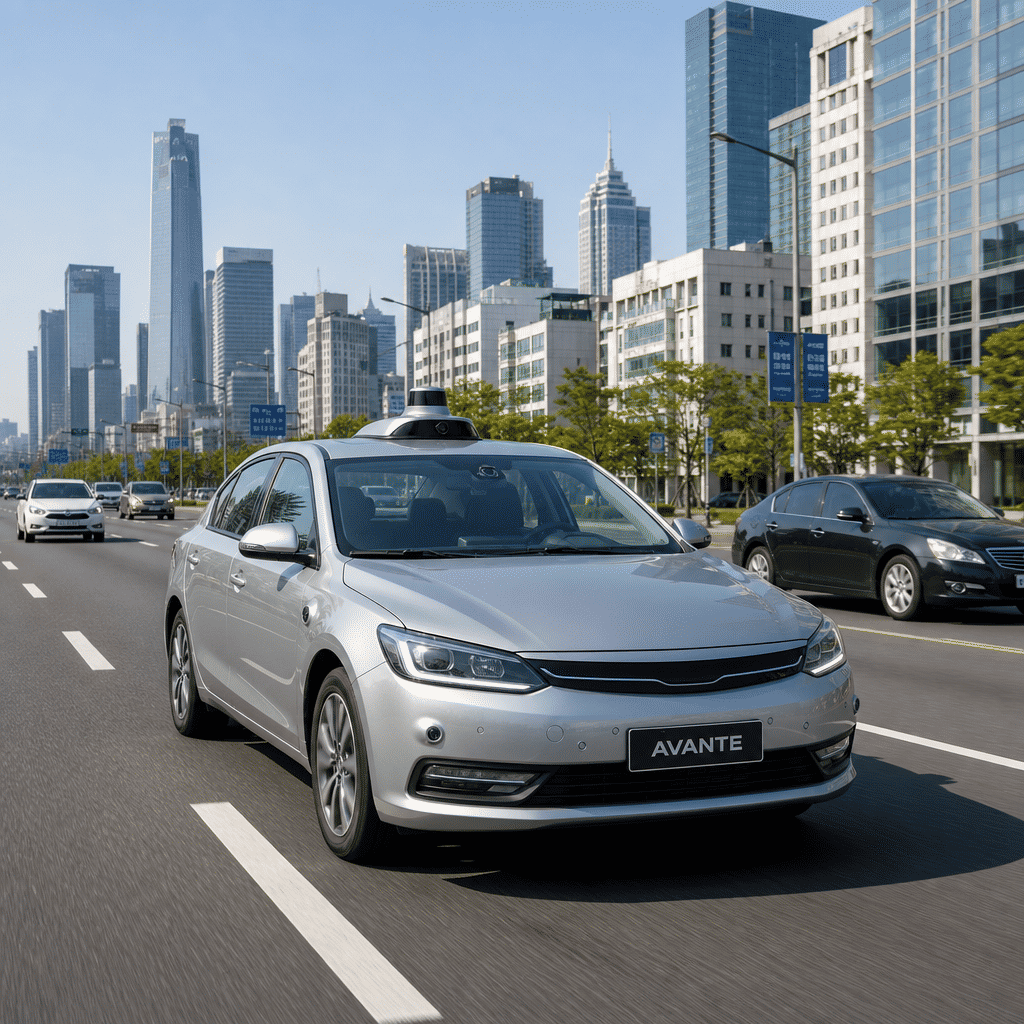
The journey toward fully autonomous vehicles marks a pivotal shift in the landscape of transportation, promising to revolutionize how we perceive mobility. With companies like Optimum Drive at the forefront, the integration of sophisticated technologies is paving the way for a safer, more convenient future on the roads. This evolution hinges on critical advancements in self-driving software and smart sensors, which are transforming the automotive industry and reshaping our daily lives.
Self-driving software forms the backbone of autonomous vehicles. It involves complex algorithms and artificial intelligence capable of processing vast amounts of data in real-time. These systems interpret inputs from various sensors to make split-second decisions, emulating human driving behavior with precision. By leveraging machine learning, self-driving software continuously improves, learning from every interaction with the road to enhance performance and safety.
Smart sensors are the eyes and ears of autonomous vehicles. They provide an array of data by detecting obstacles, reading road signs, and monitoring traffic conditions. LiDAR (Light Detection and Ranging), radar, and advanced camera systems work in concert to create a comprehensive understanding of the vehicle's surroundings. These sensors are vital for enabling features like adaptive cruise control, lane-keeping assistance, and automated parking, significantly enhancing driver convenience and safety.
One of the most promising aspects of autonomous technology is its potential to greatly reduce road accidents. Human error is responsible for a significant portion of traffic incidents, and autonomous vehicles can negate this issue by maintaining constant vigilance and adhering to safety protocols without distraction or fatigue. This not only promises to save lives but also to alleviate congestion and improve traffic flow, leading to more efficient road networks.
Moreover, the convenience brought by autonomous vehicles is set to redefine personal and public transportation. Imagine a world where vehicles communicate seamlessly with each other and the infrastructure around them, ensuring smooth traffic and reducing hold-ups. Passengers can utilize travel time for work or leisure without the stresses of driving, significantly enhancing quality of life.
However, the road to full autonomy is not without challenges. Issues such as regulatory frameworks, cybersecurity, and ethical considerations must be addressed. Ensuring the security of autonomous systems against cyber threats is crucial. Moreover, clear guidelines and standards are necessary to harmonize the deployment of this technology globally. Ethically, the question of decision-making in critical situations presents a dilemma that needs careful consideration.
In conclusion, the road ahead for autonomous vehicles is both exciting and challenging. Companies like Optimum Drive are spearheading initiatives to meld cutting-edge technology with automotive innovation, offering a glimpse into a future where safety and convenience drive on a synchronized path. As these technologies mature and integrate, we can anticipate a profound transformation in how we navigate our world, making the dream of fully autonomous vehicles an attainable reality.