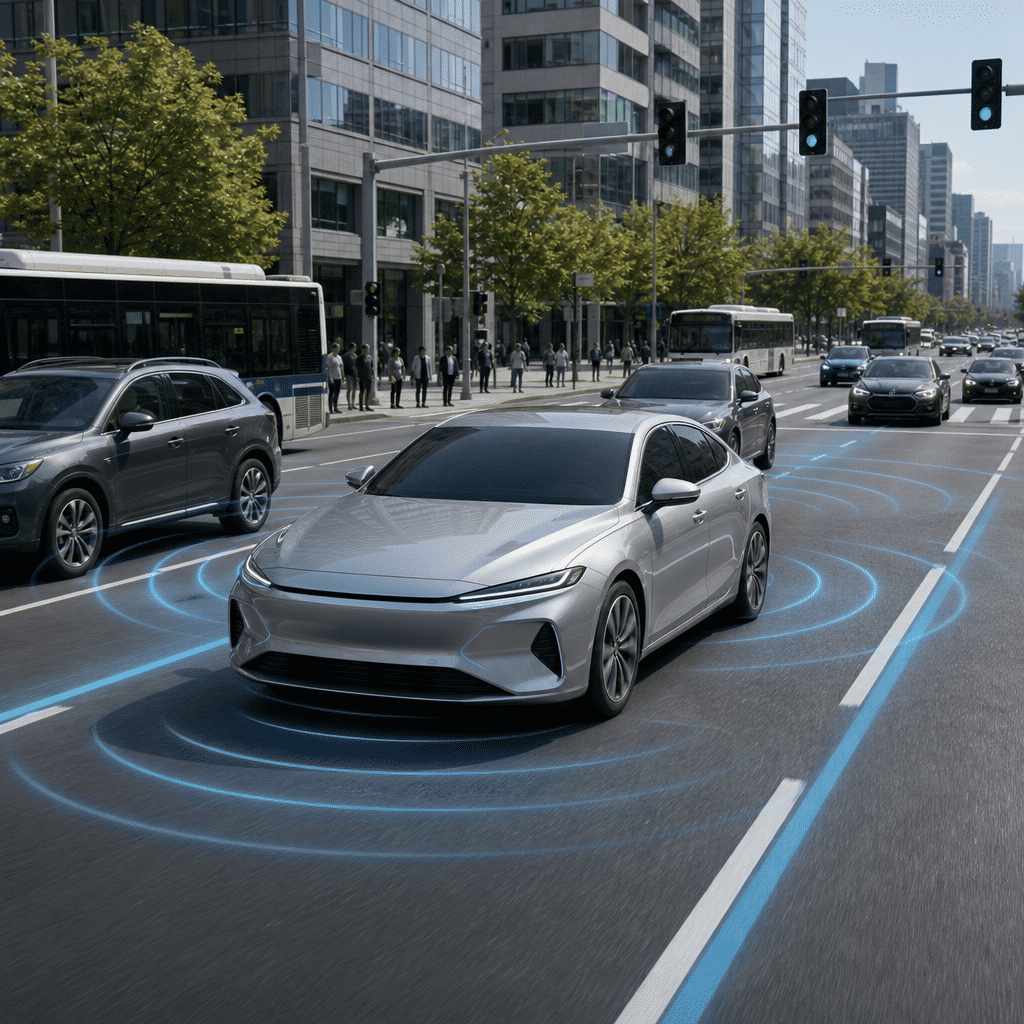
Autonomous driving is rapidly transforming the transportation landscape, promising to revolutionize our travel experiences by enhancing safety and convenience. This technological advancement is rooted in the integration of sophisticated sensors, artificial intelligence, and machine learning algorithms, all working harmoniously to navigate vehicles safely without human intervention.
One of the primary benefits of autonomous driving is improved safety. According to the World Health Organization, road traffic accidents result in approximately 1.3 million deaths each year globally. Human error, such as distracted driving, fatigue, and impaired judgment, is a leading cause. Autonomous vehicles, equipped with advanced cameras, lidar, and radar systems, have the potential to drastically reduce these numbers. These systems provide a 360-degree view of the vehicle's surroundings, enabling precise real-time decision-making that humans often struggle to achieve.
Moreover, the convenience associated with autonomous driving is transforming how people perceive travel. With the ability to read, work, or simply relax, passengers can reclaim time otherwise lost to driving. This shift is particularly significant for long commutes and road trips. Autonomous driving also supports improved traffic flow and optimized routing, reducing congestion and travel times while enhancing fuel efficiency.
The technology extends benefits to individuals with limited mobility, such as the elderly or those with disabilities. By providing reliable and easily accessible transportation, autonomous vehicles can foster independence and improve the quality of life for many.
In the realm of urban planning, autonomous vehicles are influencing the design of smarter, more efficient cities. By minimizing the need for traditional parking spaces and promoting ride-sharing models, urban areas can reduce their carbon footprint, leading to greener, more sustainable environments.
Despite these advantages, the widespread adoption of autonomous driving requires addressing significant challenges. Regulatory frameworks need to evolve to ensure these vehicles operate safely and ethically. Liability concerns, cybersecurity threats, and public acceptance are hurdles that must be overcome. Continuous advancements in technology and policy adjustments are essential to support this transition.
As the world edges closer to an autonomous future, collaboration between technology developers, lawmakers, and society will be crucial. Autonomous driving holds the potential to redefine mobility, making travel safer, more efficient, and accessible for everyone. As this vision materializes, it could significantly alter the way we interact with our world, offering a glimpse into a future where our roads are safer and our cities are smarter.